I am Danielle Witter, founder of Food Glorious Food (FGF) CIC—a community-led, non-profit organisation based in Southall and the surrounding areas. We believe the heart of a healthy community is a shared table.
Driven by the belief that lasting change starts from the ground up, we empower local residents to reclaim their kitchens by teaching the art of cooking from scratch. Our sessions go beyond simple recipes; we build lifelong cookery skills and the confidence to create fresh, nutritious meals. By bringing people together to cook, learn, and eat, we turn every meal into a powerful opportunity for connection, wellbeing, and community solidarity
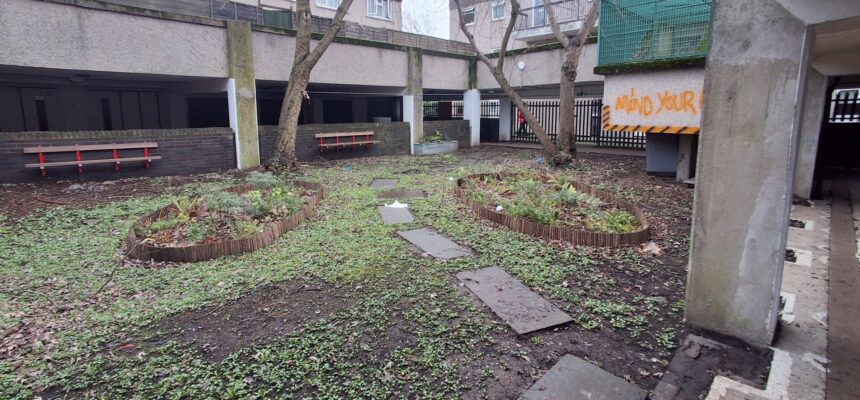
FGF intend to deliver a Field to fork project with the Ealing borough specifically at Open Havelock Southall .
We will provide growing opportunities for residents and encourage and support their involvement. Create clear processes, guidelines and agreements of how individuals and groups can propose, develop, and maintain particular spaces on their estates and in their communities.
1 Use no harmful herbicides or pesticides. Use high-nectar/pollen annuals along
railing edges and other spaces traditionally sprayed.
2 Pruning to be reduced with consideration for natural plant formation, and
especially respecting growing cycles that support biodiversity, pollinators. e.g.,
leaving buds to flower and become fruit/berries.
3 Use coppicing techniques to reduce the constant ‘trimming’ of shrubs. This
helps to reduce disturbance to wildlife, fuel use and allows larger shrub/tree
species suitable for smaller spaces.
4 Use hand tools where possible, such as secateurs, shears, hoes and rakes, to
replace petrol leaf blowers and hedge cutters. Reducing carbon emissions,
pollution, noise and engenders more considered gardening.
5 Get creative with grass cutting; choose lawn areas to naturalise, with mown
pathways, increasing food for pollinators. Create wildflower areas/meadows to
be managed with a light touch.
6 Identify underused green and brown spaces to site new food growing
community gardens, including rooftops, garage roofs.
7 Use fruit trees, fruit bushes and native trees and shrubs as the default
planting, creating free food for this and future generations. Use heritage and/ or
local varieties of fruit.
8 Plant herb beds open for all to use. Grow herbs that are good pollinators
and ones that are site appropriate.
9 Increase the planting of native hedgerows, reducing pollution, providing
biodiverse habitat.
10 All planting to have wildlife/nectar food plant value, appropriate to the
The latest Ealing Council Pollinator and Biodiversity Action Plans.
11 Food for all: add information boards with the new communal (food)
planting to inform residents that food is freely available to harvest.
12 Using green waste from the estate, create habitats for biodiversity:e.g. bee
hotels and log stacks/piles.
13 Support estate biodiversity champions to monitor and log the sighting of
bird/moth/bee, providing evidence of increased biodiversity on estates.